
Strategic Milestone in EU Space Policy: The Successful Launch of the Sentinel-3C Satellite
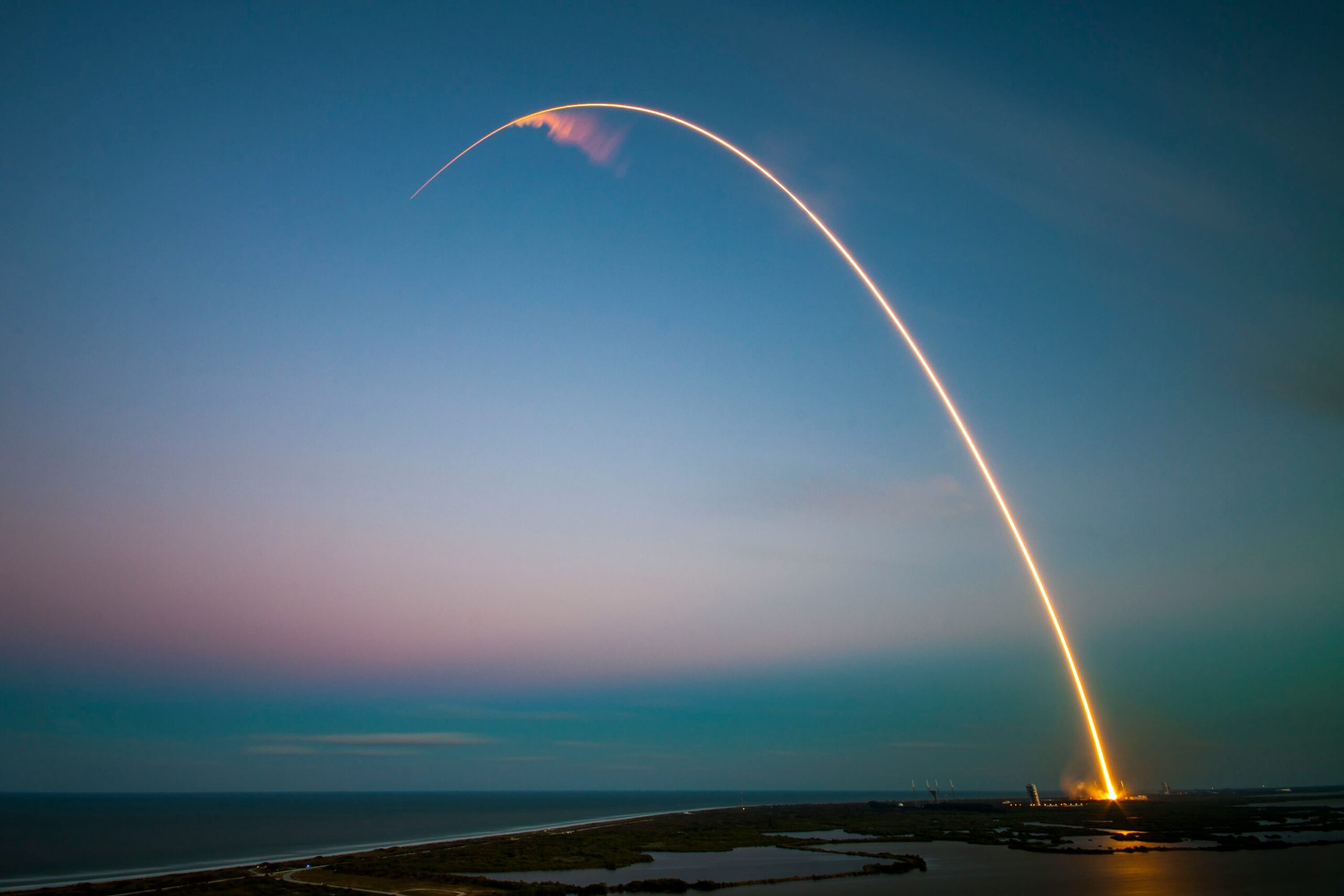
Early on September 15, 2026, the European Union significantly bolstered its Earth observation infrastructure with the successful deployment of the Copernicus Sentinel-3C satellite. Launched aboard a Vega C rocket from the Guiana Space Centre in Kourou, French Guiana, the spacecraft has reached its designated 800-kilometer orbit. Having successfully established initial ground communications shortly after launch, the satellite marks a crucial step forward in Europe’s environmental security capabilities.
Enhancing Environmental Security and Climate Resilience:
As climate change increasingly dictates global security and policy agendas, actionable data is paramount. The Sentinel-3C mission is engineered to provide comprehensive telemetry on critical planetary indicators. By continuously monitoring the Earth’s surface, the satellite will deliver vital intelligence on:
- Marine and Coastal Dynamics: Tracking ocean currents, sea-level fluctuations, surface temperatures, and detecting hazardous algal blooms that threaten coastal economies.
- Terrestrial Hazards: Mapping vegetation health, monitoring land surface temperatures, and providing essential data to anticipate severe droughts and wildfires.
- Climate Tracking: Observing polar ice dynamics and broader climatic shifts to inform long-term policy and immediate disaster response mechanisms.
This continuous stream of high-fidelity data is essential not only for meteorological forecasting and agricultural planning, but also for empowering public authorities to execute swift, evidence-based responses to natural crises and assess their post-disaster impacts.
European Strategic Autonomy and Global Cooperation
Owned and overseen by the European Commission, the Sentinel-3C initiative is a testament to European integration in aerospace technology, executed in close partnership with the European Space Agency (ESA), EUMETSAT, and Avio. A defining strategic feature of the Copernicus program is its commitment to open access; the critical data generated by this infrastructure remains freely available to public institutions and private enterprises worldwide.
The satellite has now entered a rigorous, multi-month commissioning and calibration phase to test its onboard instruments. Once fully operational, Sentinel-3C will seamlessly integrate with the existing Copernicus constellation, guaranteeing the uninterrupted flow of Earth observation data required by scientists and policymakers globally to navigate an evolving planetary landscape.
Source: European Comission
Comments are closed