

Created by EPSO-EU
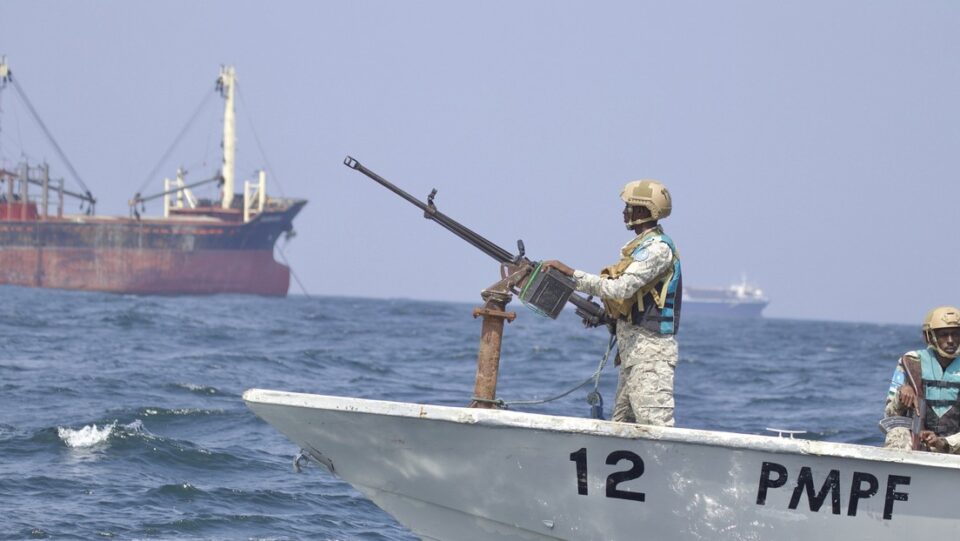
Since October 2023, the Red Sea has experienced an unprecedent surge in military tensions. In response to Irael’s attack of Gaza, houties rebels in Yemen have significantly stepped-up attacks on commercial shipping vessels, lifting the war in Gaza into a new dimension. Houties have sought to board merchant tankers, or drones and missiles have been launched trying to target the vessels . In most of the cases, damages have been minimal.
The Red Sea is one of the world’s most densely shipping areas. Lies south of the Suez Canal, the most significant waterway connecting Europe to Asia and East Africa, that has become site for ongoing regional struggles. About 11% of global trade passes through the Red Sea, including 30% of global container traffic, meaning that sustained attacks in the region may contribute to the deterioration of global trade.
The Houties are a Yemeni rebel group, supplied by Iran, who control the west of the country, including its Red Sea coast. The Houties declared war on Israel at the end of October, Initially the Houties launched long-range ballistic missiles at the Israeli port of Eilat, but these were ineffective. Even though many of these missiles launches have been deemed a failure, the concern remains of the possible targeting of ships and their hijacking. From mid-November, the group switched tactics to focus on attacking commercial shipping. Houti leaders declared that navigation in the Red Sea would remain secure for all international merchant vessels, except those linked to Israel.
Several of the most prominent shipping companies have decided not to use the Red Sea, using alternative routes around the Cape of Good Hope, increasing the costs and the time expended. If the attacks on vessels continue, and more oil companies halt shipments through Red Sea, energy costs are likely to rise further. Both carry the risk of higher costs, though diverting ships around Africa also brings the risk of delays.

In December, U.S. Department of Defense announced the formation of an international coalition to safeguard the security of the Red Sea by countering Houthi attacks in the region. EE.UU. recognized the strategic significance of the Red Sea, and consequently, the recent Houthi attacks should serve as a pretext for the United States to militarize of the Red Sea. This strategic move could expand the U.S. sphere of influence while safeguarding Israel’s security interests. Hostilities could quickly escalate into an international war, and lead to the imposition of new conditions on international navigation in the Red Sea Region.

Recent regional events have further complicated the already complex Yemeni crisis. By declaring that their strikes are in defense of the Palestinians, the Houties are trying to enhance their popularity among the Yemenies, while the Yemenies government underscores the internatioonal community’s past mistakes that have inadvertenly empowered the group to become a global threat. Consequently, Red Sea navigation has emerged as a point of contention between the two warring sides, imposing additional burdens on the United Nations in its quest for a swift resolution to the Yemeni crisis.
No responses yet